
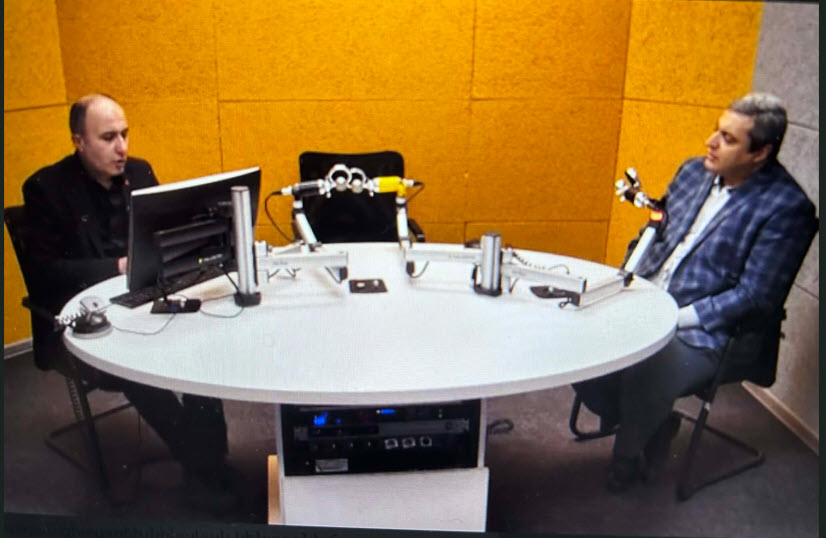
“A new station installed on the Armenian-Iranian border allows recording any changes with an accuracy of seconds. Despite the tensions in the Middle East and the missile strikes on Iran, the radiation situation in Armenia remains stable.” In a conversation with Sputnik Armenia, Karen Haroyan, Chief Specialist for Radiation Safety at Nuclear and Radiation Safety Centre, assured that all monitoring stations across the country conduct 24-hour surveillance. “Armenia operates a modern radiation monitoring system consisting of 32 stations. They are mainly located in settlements within a 10–12 km radius of the Armenian nuclear power plant. However, taking into account the regional situation, another station was installed on the Armenian–Iranian border in 2025.” Following Israeli strikes on Iranian oil facilities, reports emerged about “black” or “acid rain” falling in parts of Iran. WHO has warned that the presence of toxic hydrocarbons, sulfur oxides, and nitrogen compounds in the atmosphere is extremely dangerous. Attacks on nuclear facilities could also pose a risk of nuclear radiation for Iran.
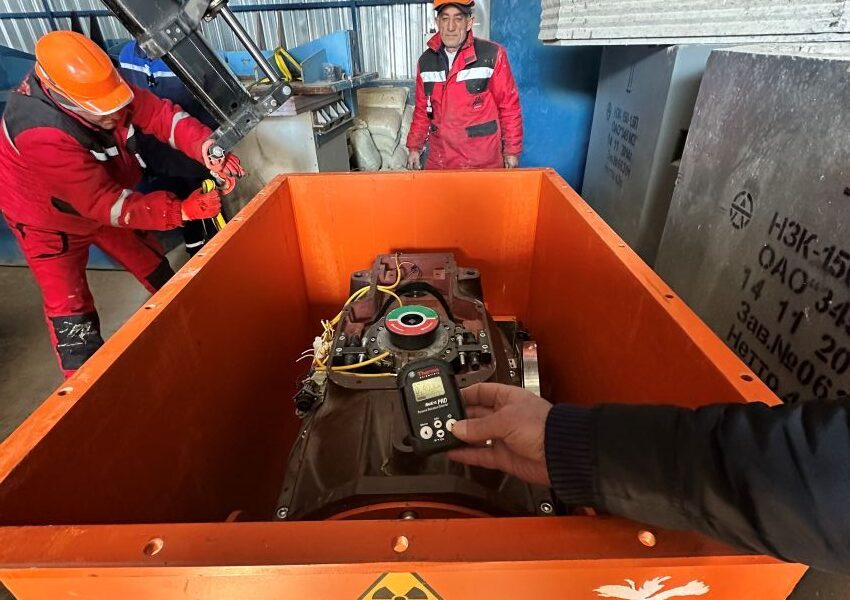
The Nuclear and Radiation Safety Centre (NRSC) has successfully carried out the safe removal, transportation, and long-term storage of a disused high-activity cobalt-60 (Co-60) teletherapy source from the National Centre for Oncology named after V. A. Fanarjyan. NRSC specialists led the operation, ensuring comprehensive planning and coordination, radiation safety oversight, regulatory compliance, and full documentation throughout all phases of the process. The activity was implemented within the framework of international cooperation aimed at reducing radiological risks and strengthening the secure management of high-activity radioactive sources. The disused teletherapy head was safely dismantled, handled, securely packaged, and transported under enhanced physical protection measures to the facilities of “Radioactive Waste Management” CJSC, where it was placed into long-term storage. Radiation monitoring conducted before, during, and after the operation confirmed the absence of radiological contamination and demonstrated that occupational exposure levels remained well below established regulatory limits. The operation was carried out through close coordination among the Nuclear and Radiation Safety Centre, the Armenian Nuclear Regulatory Authority (ANRA), “Radioactive Waste Management” CJSC, the Ministry of Internal Affairs of the Republic of Armenia, and partners from the U.S. Department of Energy’s Office of Radiological Security. This successful operation highlights NRSC’s central role in ensuring nuclear and radiological safety in Armenia and contributes to the mitigation of potential radiological hazards through the safe and secure management of radioactive sources.
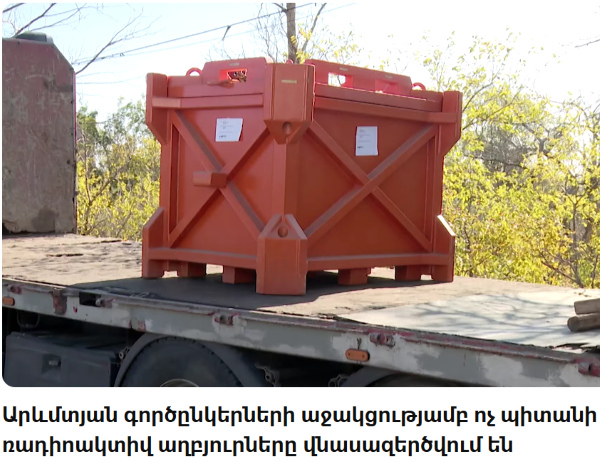
As previously reported, the Nuclear and Radiation Safety Centre, with the support of European and American partners, has transported 40 high-activity radioactive sources from the Ashtarak Institute of Physical Research to the storage facilities of the “Radioactive Waste Management” CJSC.The process was organised in accordance with international safety standards, ensuring the safe collection, packaging and transportation of the sources.This initiative is another important step in improving Armenia’s radiation safety and applying international best practices. Watch the report by Armenian Public TV.
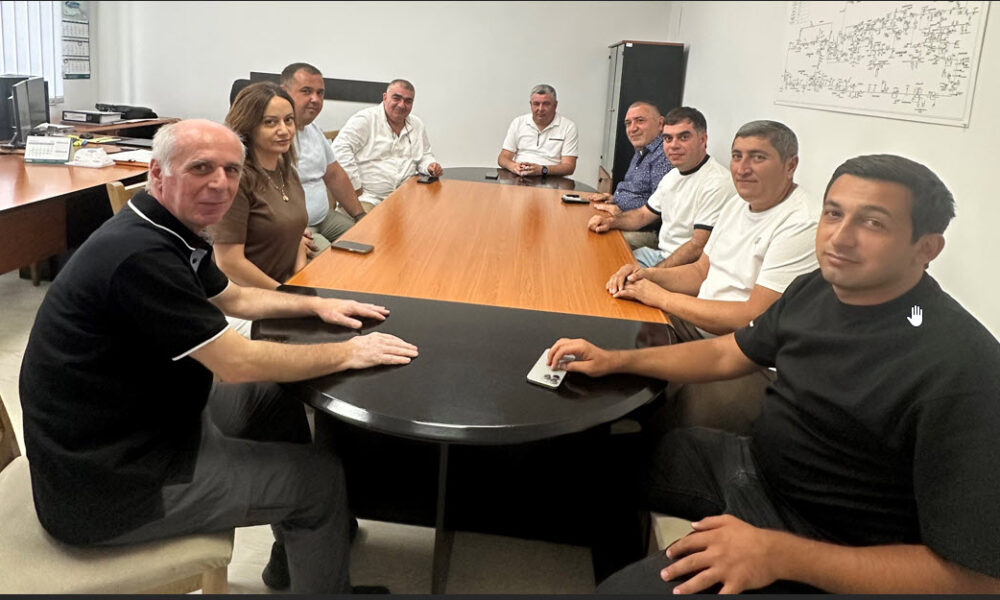
The Nuclear and Radiation Safety Centre conducted a training course titled “Radiation Protection and the Safe Use of Radioactive Sources.” The course was attended by nine employees from the Field Experimental Laboratory of the Engineering and Technical Centre of Gazprom Armenia CJSC. The participants were introduced to key principles of radiation safety, including the safe handling of radioactive materials, radiation monitoring techniques, and the proper use of personal protective equipment. The training was specifically designed for professionals involved in the import, export, production, use, transportation, or storage of ionising radiation sources or radiation-generating devices across various sectors, including industry, agriculture, scientific research, and education. The training covered the following topics: After the course, each participant received a certificate recognising their knowledge and skills in radiation protection and the safe use of radioactive sources. NRSC continues to implement similar training initiatives aimed at enhancing professional qualifications and reinforcing radiation safety standards throughout Armenia.
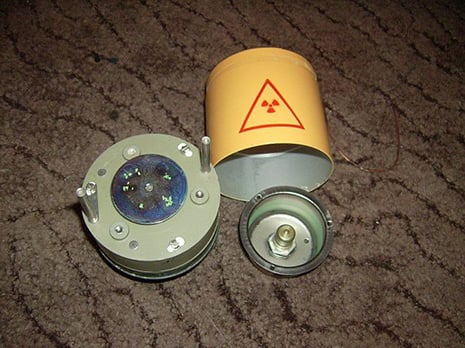
The Nuclear and Radiation Safety Centre, in cooperation with Radioactive Waste Management CJSC, is carrying out the removal and neutralisation of radioactive sources found in Soviet-era smoke detectors. These efforts aim to ensure the long-term and safe storage of such materials. During the Soviet period, smoke detectors containing radioactive isotopes were widely used across Armenia. In recent years, as part of several international assistance programs, the NRSC has identified and removed many of these devices from the premises of various Armenian organisations. The recovered detectors have been transferred to a secure storage facility. NRSC specialists carefully extract the radioactive sources from these detectors and place them into specialised containers designed for long-term safe storage. Organisations that may still have old smoke detectors on their premises are encouraged to contact the NRSC to ensure proper removal and handling. Tel: 010541719
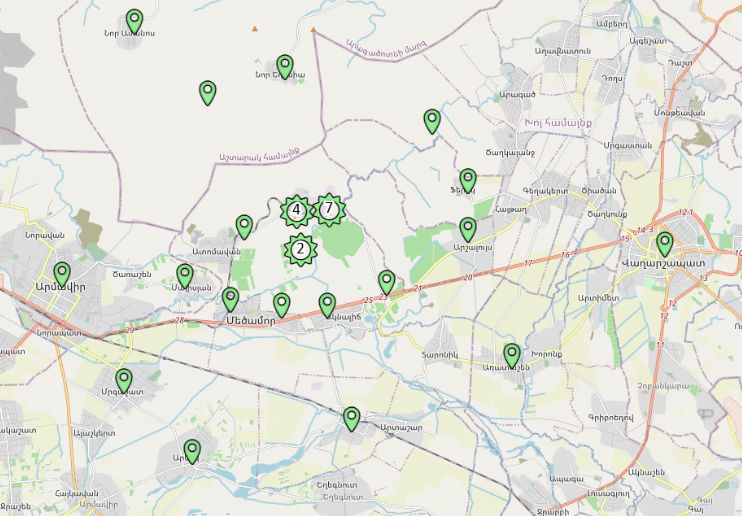
Although Iran’s nuclear facilities are not located near Armenia’s borders, a large-scale incident could potentially lead to the spread of radioactive substances, depending on wind patterns and the nature of the explosions. What monitoring capabilities does Armenia have? How is radiation monitored, where and how often does it take place, and what have recent measurements shown? Are there any risks for the population? These questions are addressed by Armen Amirjanyan, Director of the Nuclear and Radiation Safety Centre; Karen Haroyan, Senior Specialist at the Radiological Laboratory; and Khachatur Khachikyan, Acting Chairman of the Nuclear Safety Regulatory Committee of the Republic of Armenia.

