
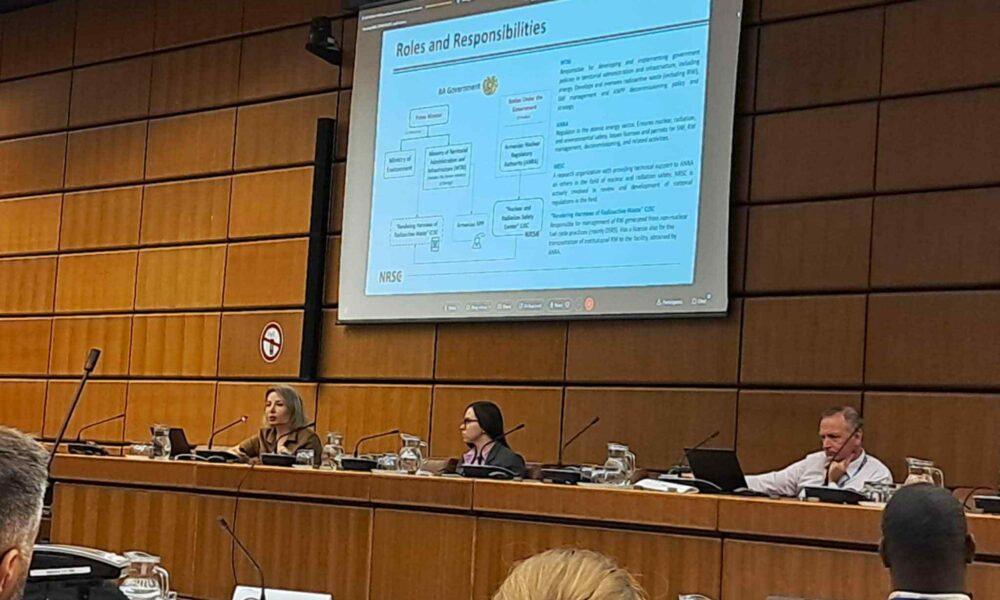
Satine Vardanyan, Leading Specialist of the Radiological Laboratory of the Nuclear and Radiation Safety Centre, participated in the Technical Meeting of the Disused Sealed Radioactive Sources Network (DSRS-Net) organised by the IAEA. The purpose of this meeting was to promote international cooperation in the field of safe management of disused sealed radioactive sources (DSRS) among member states. During the meeting, both the organisers and participants delivered presentations, sharing their experiences in DSRS management. IAEA experts presented the ongoing programs in this field, professional forums and platforms, as well as various IAEA electronic tools (eTools) developed to support member states in strengthening their capacities in this area. More detailed information was provided on the different professional forums included in the IAEA Network. They aim to create a joint platform for member states, where national capabilities and experiences in the field can be presented and shared, problematic issues discussed, and international best practices explored in collaboration with experts from other countries as well as relevant IAEA specialists. Through these platforms, member states can also access IAEA support within the framework of various programs. The forums are intended to bring together experts, regulatory bodies, operators, and research institutions, thereby fostering knowledge exchange and the application of international best practices. The representative of the NRSC presented Armenia’s experience and professional potential in the management of disused sealed radioactive sources. Such meetings are important as they contribute to cooperation with international experts, knowledge sharing, discussions, and the creation of opportunities for joint initiatives. For Armenia, these opportunities are especially important, as the country has accumulated spent nuclear fuel over the years, for which urgent steps are required to ensure long-term and safe management.
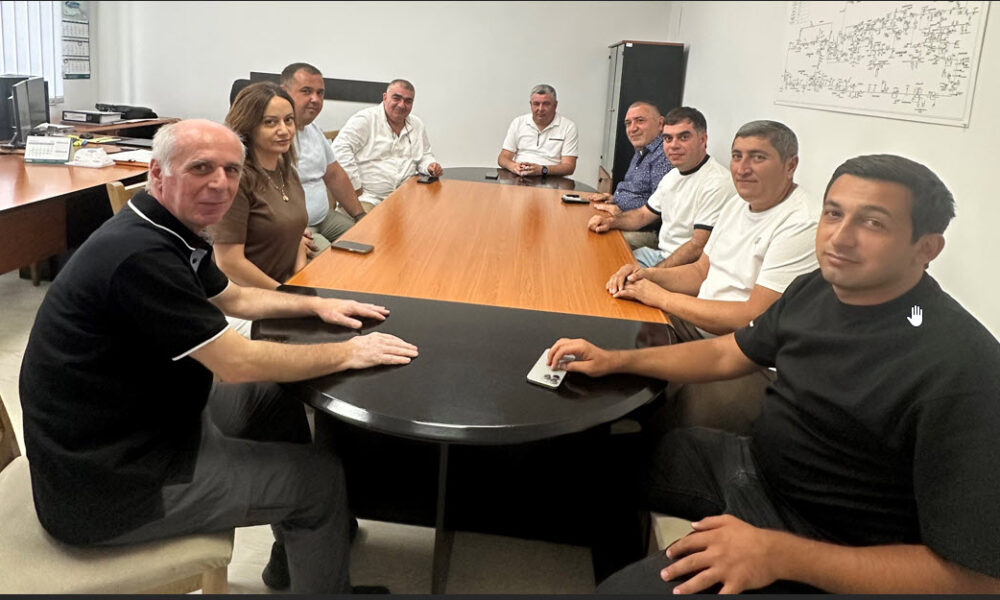
The Nuclear and Radiation Safety Centre conducted a training course titled “Radiation Protection and the Safe Use of Radioactive Sources.” The course was attended by nine employees from the Field Experimental Laboratory of the Engineering and Technical Centre of Gazprom Armenia CJSC. The participants were introduced to key principles of radiation safety, including the safe handling of radioactive materials, radiation monitoring techniques, and the proper use of personal protective equipment. The training was specifically designed for professionals involved in the import, export, production, use, transportation, or storage of ionising radiation sources or radiation-generating devices across various sectors, including industry, agriculture, scientific research, and education. The training covered the following topics: After the course, each participant received a certificate recognising their knowledge and skills in radiation protection and the safe use of radioactive sources. NRSC continues to implement similar training initiatives aimed at enhancing professional qualifications and reinforcing radiation safety standards throughout Armenia.
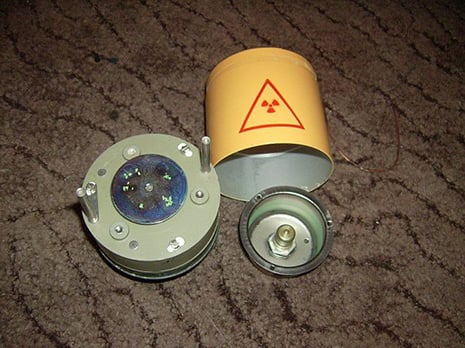
The Nuclear and Radiation Safety Centre, in cooperation with Radioactive Waste Management CJSC, is carrying out the removal and neutralisation of radioactive sources found in Soviet-era smoke detectors. These efforts aim to ensure the long-term and safe storage of such materials. During the Soviet period, smoke detectors containing radioactive isotopes were widely used across Armenia. In recent years, as part of several international assistance programs, the NRSC has identified and removed many of these devices from the premises of various Armenian organisations. The recovered detectors have been transferred to a secure storage facility. NRSC specialists carefully extract the radioactive sources from these detectors and place them into specialised containers designed for long-term safe storage. Organisations that may still have old smoke detectors on their premises are encouraged to contact the NRSC to ensure proper removal and handling. Tel: 010541719
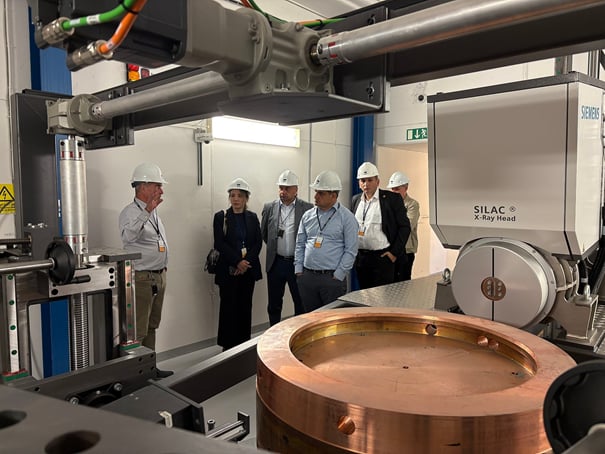
NRSC specialists Satine Vardanyan and Karen Haroyan, as well as colleagues from the Armenian Nuclear Regulatory Authority and Radioactive Waste Disposal CJSC, visited Sweden to explore the country’s best practices in managing radioactive waste and spent nuclear fuel. As Armenia prepares to extend the operational life of the 2nd unit of the Armenian NPP, eventually decommission the current reactor, harmonise its regulatory framework with EU directives, modernise radioactive waste infrastructure, and establish a “National operator” for radioactive waste management, studying international experience has become essential. During the meetings, the Swedish specialists presented the country’s nuclear and radioactive waste management program, legal framework, licensing and inspection procedures. Sweden has one of the most effective and transparent radioactive waste management systems in the world, operating through the combined efforts of state oversight and private sector involvement. The Armenian delegation visited key institutions, including AB Svafo and Cyclife Sweden AB in Studsvik, as well as several SKB facilities in Oskarshamn. A key element of Sweden’s model is its Nuclear Waste Fund, financed by fees from waste generators and electricity producers. Established in the 1980s, the fund guarantees long-term financial sustainability and safety. This visit offered valuable opportunities for knowledge exchange, exposure to modern waste management approaches, and the initiation of future cooperation. It also laid the groundwork for a GAP analysis and a roadmap assessing and improving Armenia’s radioactive waste management infrastructure.
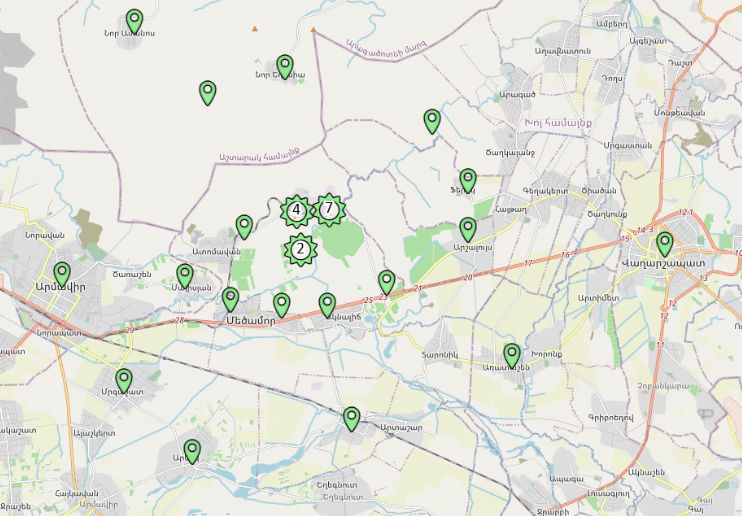
Although Iran’s nuclear facilities are not located near Armenia’s borders, a large-scale incident could potentially lead to the spread of radioactive substances, depending on wind patterns and the nature of the explosions. What monitoring capabilities does Armenia have? How is radiation monitored, where and how often does it take place, and what have recent measurements shown? Are there any risks for the population? These questions are addressed by Armen Amirjanyan, Director of the Nuclear and Radiation Safety Centre; Karen Haroyan, Senior Specialist at the Radiological Laboratory; and Khachatur Khachikyan, Acting Chairman of the Nuclear Safety Regulatory Committee of the Republic of Armenia.

Following the bombings of Iran’s nuclear facilities, specialists from the Nuclear and Radiation Safety Centre promptly travelled to the Syunik province to conduct dosimetric measurements. Measurements were carried out in several communities, including Meghri, Agarak, and Kajaran. The results show that background radiation levels in the southern regions of Armenia have remained unchanged. NRSC continues to monitor the situation closely.
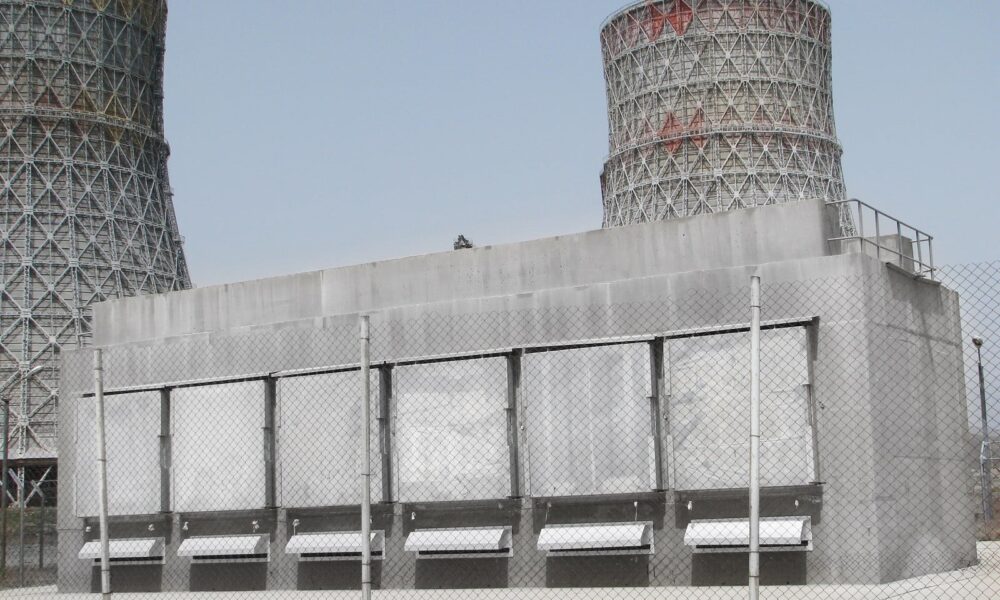
By 2036, Armenia’s operating nuclear power plant is scheduled for decommissioning. In anticipation, the Republic of Armenia must confront a range of complex challenges, foremost among them, the safe management of spent nuclear fuel and radioactive waste. Since 1989, Armenia has not exported any spent nuclear fuel. All such material remains stored on-site at the Armenian Nuclear Power Plant, posing long-term safety, environmental, and logistical concerns. “Armenia is a small country with limited specialists and experienced institutions in the field of radioactive waste management,” noted Armen Amirjanyan, Director of the Nuclear and Radiation Safety Centre, in an interview with A1+ news agency. “It is essential to mobilise all available resources to develop a comprehensive system that prevents this issue from becoming a burden for future generations. This work must begin without delay, as time is limited. Prompt action is critical to ensure the safety of both the population and the environment.” How is Armenia preparing for this transition? What strategies has the government adopted, and what concrete measures are underway to meet the challenges ahead? Armen Amirjanyan, Director of the Nuclear and Radiation Safety Centre, explored these questions and more in an interview with A1+ news agency.
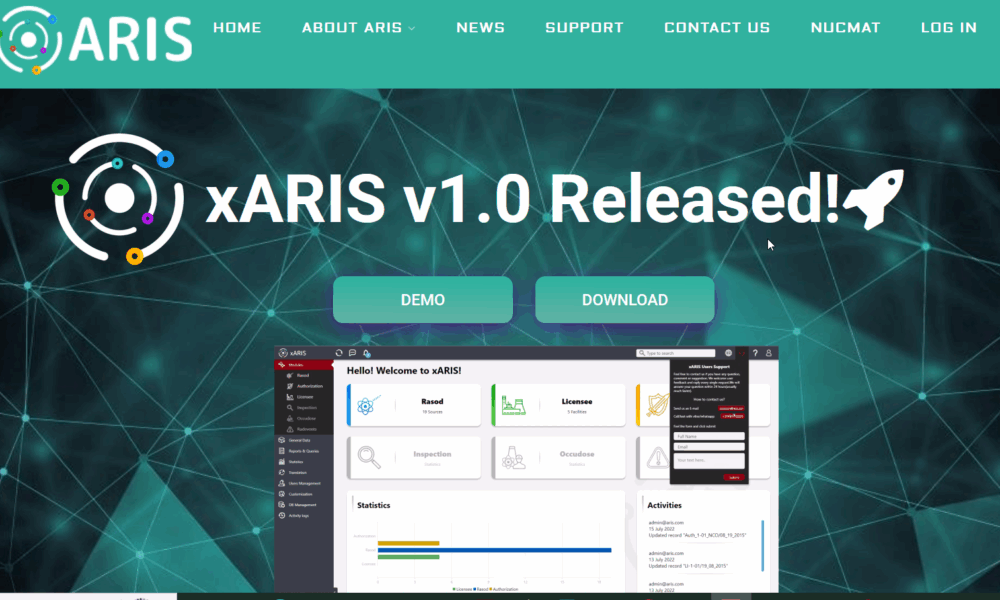
The Nuclear and Radiation Safety Centre is proud to announce the release of xARIS Version 1.0, a groundbreaking upgrade to the Advanced Regulatory Information System (ARIS). Completely redesigned and reimagined, xARIS retains the powerful functionalities of ARIS v2.5 while introducing an enhanced user interface and two brand-new modules: OCCUDOSE and RADEVENTS. The new interface is sleek, modern, and user-friendly, improving navigation, accessibility, and task management for regulatory body professionals Module OCCUDOSE enables real-time monitoring and advanced analysis of occupational radiation doses. It is a vital tool for tracking worker exposures and ensuring safety standards are met. Module RADEVENTS provides a structured platform for managing radiation and security-related events, enhancing reporting, documentation, and compliance tracking. xARIS builds upon user feedback to enhance existing functionalities with more customisation options, streamlined workflows, and improved data management. Six interconnected modules, RASOD, Licensee, Authorisation, Inspection, Occudose, and Radevents, work together to provide a comprehensive digital solution for regulatory operations. xAris includes flexible reporting, multilingual support, secure database backup and restore, role-based user management, and powerful statistical tools. Existing users can easily upgrade following the provided instructions or by contacting the support team. More about xARIS can be read here.
The Nuclear and Radiation Safety Centre has developed a special software tool, RAD-MAP, for the Radiation Safety Department of the Armenian Nuclear Power Plant. RAD-MAP is designed to improve the management of various operational tasks among staff and shift teams. Specifically, the application enables the management to assign tasks and define their frequency, attach relevant radiometric maps (cartograms), store task completion results, monitor progress, and generate various queries and reports. Notably, the system allows all measurement results and data to be stored in a centralised database without affecting performance, ensuring efficient and reliable data management. The implementation of RAD-MAP aims to streamline workflow and enhance coordination of the Radiation Safety Department at the Armenian Nuclear Power Plant.
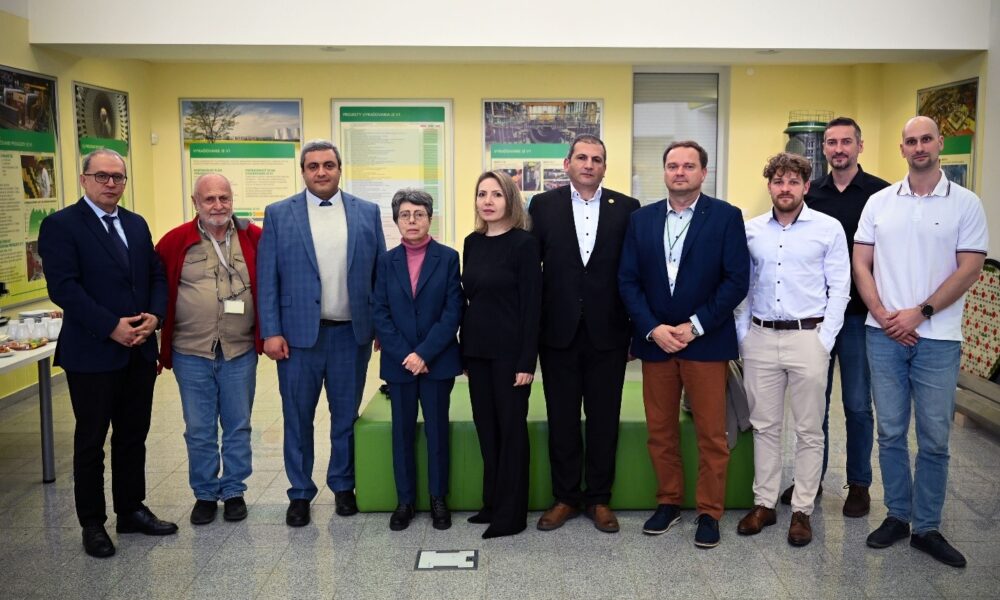
Representatives of the Nuclear and Radiation Safety Centre (NRSC) and the Armenian Nuclear Safety Regulatory Committee (ANRA) took part in the first technical meeting in Trnava (Slovakia). The meeting was held within the framework of an EU assistance project. During the visit, Armenian experts held a series of meetings and discussions with the Nuclear Regulatory Authority of Slovakia (UJD), as well as with representatives of key institutions in the nuclear field, VUJE and JAVYS. The discussions focused on Slovakia’s experience in managing radioactive waste, decommissioning of nuclear facilities, and aligning national legislation with EU Directives and the Safety Reference Levels established by WENRA. It is worth noting that Slovakia and Armenia operate similar VVER-type nuclear reactors. Such meetings are of great importance for Armenia, especially in the context of the Comprehensive and Enhanced Partnership Agreement (CEPA) signed between Armenia and the European Union, which calls for alignment of Armenia’s legal and regulatory framework with selected EU Directives. The Nuclear and Radiation Safety Centre is actively contributing to this harmonisation process. To date, the NRSC has developed draft versions of the following key documents: “Safety Requirements for Radioactive Waste Management,” “Requirements for Radiation Protection and Safety,” and “Procedure for State Registration of Radioactive Waste.” In addition, a new draft of the Atomic Law of the Republic of Armenia has been prepared and is currently in the finalisation stage.

