“A new station installed on the Armenian-Iranian border allows recording any changes with an accuracy of seconds. Despite the tensions in the Middle East and the missile strikes on Iran, the radiation situation in Armenia remains stable.”
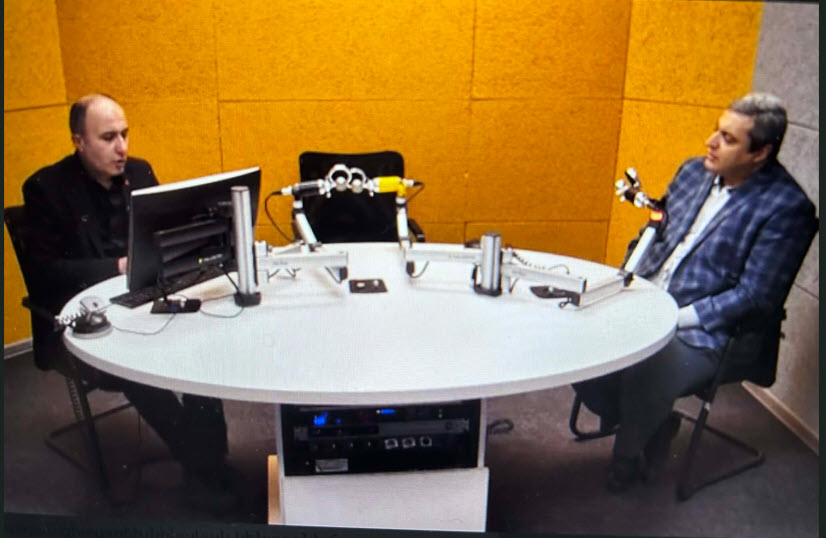
In a conversation with Sputnik Armenia, Karen Haroyan, Chief Specialist for Radiation Safety at Nuclear and Radiation Safety Centre, assured that all monitoring stations across the country conduct 24-hour surveillance.
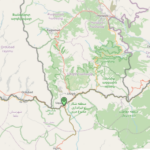
“Armenia operates a modern radiation monitoring system consisting of 32 stations. They are mainly located in settlements within a 10–12 km radius of the Armenian nuclear power plant. However, taking into account the regional situation, another station was installed on the Armenian–Iranian border in 2025.”
Following Israeli strikes on Iranian oil facilities, reports emerged about “black” or “acid rain” falling in parts of Iran. WHO has warned that the presence of toxic hydrocarbons, sulfur oxides, and nitrogen compounds in the atmosphere is extremely dangerous. Attacks on nuclear facilities could also pose a risk of nuclear radiation for Iran.
Other Articles
Armenia’s radioactive legacy: an invisible danger
Հայաստանում բնական ռադիոակտիվ ֆոնի փոփոխություն չկա