
Hetq Media Factory has examined the challenges related to the management of radioactive waste in Armenia. The film explores the complex, important, and sensitive issue of radioactive waste and environmental safety in the country. Over decades, radioactive waste has accumulated in Armenia, making it essential for the country to take serious steps toward its long-term management, safe storage, and the mitigation of risks to public health and the environment. Through interviews with experts from the Nuclear and Radiation Safety Centre and the Nuclear Regulatory Authority, the documentary analyses the challenges Armenia faces. It presents the current state of the country’s so-called “radioactive legacy,” highlighting issues related to waste storage, associated risks, responsibilities, as well as decisions that have been made, but remain unimplemented, and relevant international practices. By drawing attention to an often overlooked issue, the film underscores the urgent need for open discussions and concrete solutions regarding radioactive waste management, environmental protection, transparency, and the future of nuclear energy in Armenia.
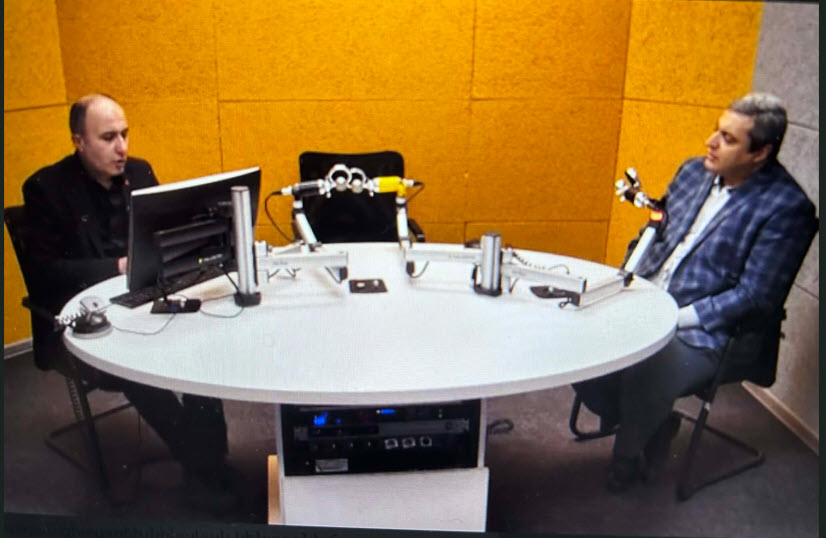
“A new station installed on the Armenian-Iranian border allows recording any changes with an accuracy of seconds. Despite the tensions in the Middle East and the missile strikes on Iran, the radiation situation in Armenia remains stable.” In a conversation with Sputnik Armenia, Karen Haroyan, Chief Specialist for Radiation Safety at Nuclear and Radiation Safety Centre, assured that all monitoring stations across the country conduct 24-hour surveillance. “Armenia operates a modern radiation monitoring system consisting of 32 stations. They are mainly located in settlements within a 10–12 km radius of the Armenian nuclear power plant. However, taking into account the regional situation, another station was installed on the Armenian–Iranian border in 2025.” Following Israeli strikes on Iranian oil facilities, reports emerged about “black” or “acid rain” falling in parts of Iran. WHO has warned that the presence of toxic hydrocarbons, sulfur oxides, and nitrogen compounds in the atmosphere is extremely dangerous. Attacks on nuclear facilities could also pose a risk of nuclear radiation for Iran.
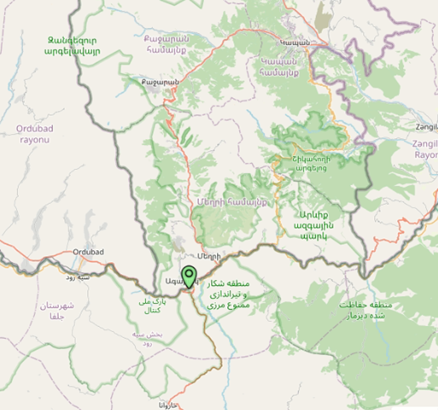
«Միջուկային և ռադիացիոն անվտանգության գիտատեխնիկական կենտրոն» ՓԲԸ-ն հայ-իրանական սահմանին շուրջօրյա ռեժիմով իրականացնում է ճառագայթային մոնիտորինգ՝ սահմանին տեղադրված վաղ ահազանգման ճառագայթային մոնիտորինգի համակարգի (EWRMS) միջոցով։ 2026 թվականի փետվարի 28-ից մինչև մարտի 4-ն ընկած ճամանակահատվածում հայ-իրանական սահմանին ճառագայթային բնական ֆոնի տեսանելի փոփոխություններ չեն արձանագրվել։
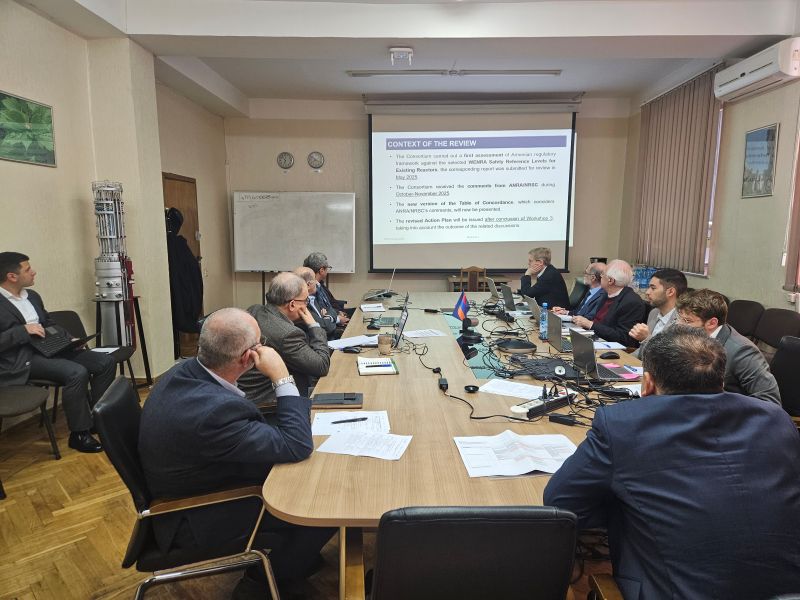
A Technical Workshop was held in Armenia within the framework of the project “Nuclear Safety Regulatory Cooperation with the Armenian Regulator,” with the participation of experts from ANRA and NRSC, as well as the Consortium led by IDOM Consulting, Engineering, Architecture S.A.U. (Spain). The workshop aimed to review the progress of the ongoing projects, present the results of completed activities, and define next steps for implementation. During the event, participants presented and discussed action plans for the transposition of selected WENRA Safety Reference Levels and key Euratom Directives into Armenia’s legislative and regulatory framework. These included the Drinking Water Directive (Euratom 2013/51), the Basic Safety Standards (BSS) Directive (2013/59/Euratom), and Directive (2006/117/Euratom) on the supervision and control of shipments of radioactive waste and spent fuel. These approximation efforts are carried out in line with Armenia’s obligations under the EU–Armenia Comprehensive and Enhanced Partnership Agreement (CEPA) and the broader objective of systematically aligning national legislation with relevant EU requirements. In addition, the Consortium conducted and presented the results of a regulatory review of safety-related documentation, including the Level 2 Probabilistic Safety Assessment (PSA) for internal initiating events. The evaluation of seismic safety enhancement measures, the implementation of hydrogen passive autocatalytic recombiners, and the full-scope simulator were also presented and discussed in detail. The findings were reviewed jointly with ANRA and NRSC specialists, enabling in-depth technical exchange and clarification of key aspects related to safety improvements at the Armenian Nuclear Power Plant. The workshop contributed to strengthening the national regulatory framework, enhancing the technical expertise and analytical capacity of ANRA and NRSC specialists, and further aligning Armenia’s nuclear and radiation safety system with European and international standards.
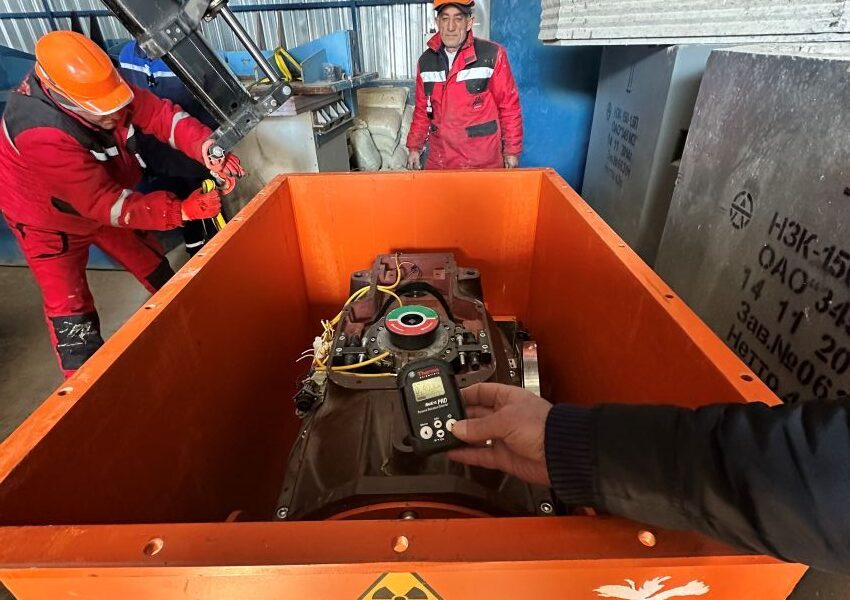
The Nuclear and Radiation Safety Centre (NRSC) has successfully carried out the safe removal, transportation, and long-term storage of a disused high-activity cobalt-60 (Co-60) teletherapy source from the National Centre for Oncology named after V. A. Fanarjyan. NRSC specialists led the operation, ensuring comprehensive planning and coordination, radiation safety oversight, regulatory compliance, and full documentation throughout all phases of the process. The activity was implemented within the framework of international cooperation aimed at reducing radiological risks and strengthening the secure management of high-activity radioactive sources. The disused teletherapy head was safely dismantled, handled, securely packaged, and transported under enhanced physical protection measures to the facilities of “Radioactive Waste Management” CJSC, where it was placed into long-term storage. Radiation monitoring conducted before, during, and after the operation confirmed the absence of radiological contamination and demonstrated that occupational exposure levels remained well below established regulatory limits. The operation was carried out through close coordination among the Nuclear and Radiation Safety Centre, the Armenian Nuclear Regulatory Authority (ANRA), “Radioactive Waste Management” CJSC, the Ministry of Internal Affairs of the Republic of Armenia, and partners from the U.S. Department of Energy’s Office of Radiological Security. This successful operation highlights NRSC’s central role in ensuring nuclear and radiological safety in Armenia and contributes to the mitigation of potential radiological hazards through the safe and secure management of radioactive sources.

