
Application of the IAEA TOSCA Methodology in Armenia Strengthening the National Nuclear and Radiation Safety Regulatory Infrastructure through TSO Self-Capability Assessment ԱԷՄԳ-ի TOSCA մեթոդաբանության կիրառումը Հայաստանում Միջուկային և ռադիացիոն անվտանգության ոլորտը կարգավորող ազգային ենթակառուցվածքի ամրապնդումը գիտատեխնիկական աջակցություն տրամադրող կազմակերպության (TSO) կարողությունների ինքնագնահատման միջոցով Применение методологии МАГАТЭ TOSCA в Армении Укрепление национальной регулирующей инфраструктуры в области ядерной и радиационной безопасности посредством самооценки потенциала организации научно-технической поддержки (TSO)
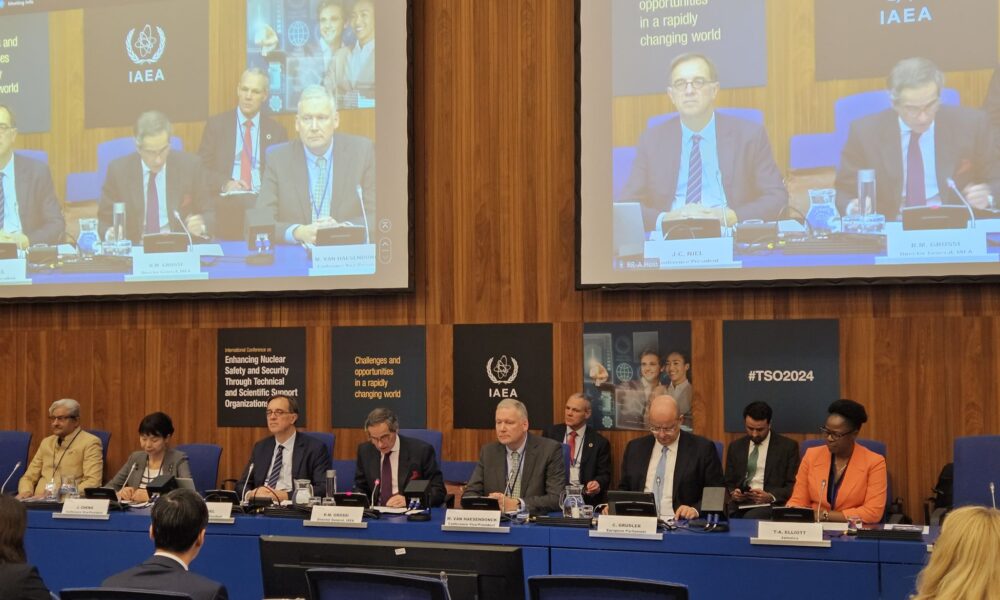
The International Conference on Enhancing Nuclear Safety and Security Through Technical and Scientific Support Organizations (TSOs): Challenges and Opportunities in a Rapidly Changing World was hosted at the Headquarters in Vienna from 2-6 December 2024. It brought together experts from all over the world to exchange the best practices and enhance the technical and scientific capacities of TSOs to enhance and promote their potential contribution to the nuclear and radiation safety and security of facilities and activities. The special session was devoted to the IAEA-developed TSO Self-Capability Assessment Methodology aimed to assess and further develop the TSO scientific and technical capabilities, and evaluate how these are developed, sustained and applied in regulatory functions. The tool is of high interest for the TSOs worldwide and many Member States expressed their desire to implement it in their TSOs. In 2024 TSO self-assessment with the TOSCA toll was concluded in 2 countries – Armenia and Ghana. NRSC representative Marina Simonyan participated in the special session. She shared with the participants the company’s experience of conducting self-assessment with the IAEA-developed tool. The results of the self-assessment were discussed with the IAEA expert team during the National Workshop held in Armenia on 19-21 November 2024 and summarized in the recommendations, which will serve as a basis to develop an “Action plan” for their implementation.

